Advice
Are Perfect Fit Blinds Worth It? An Honest Guide for uPVC Windows
How perfect fit blinds clip into uPVC windows with no drilling, what they cost per pane, the styles available, and when they're not the right choice.
By the Emerald Interiors team 3 min read
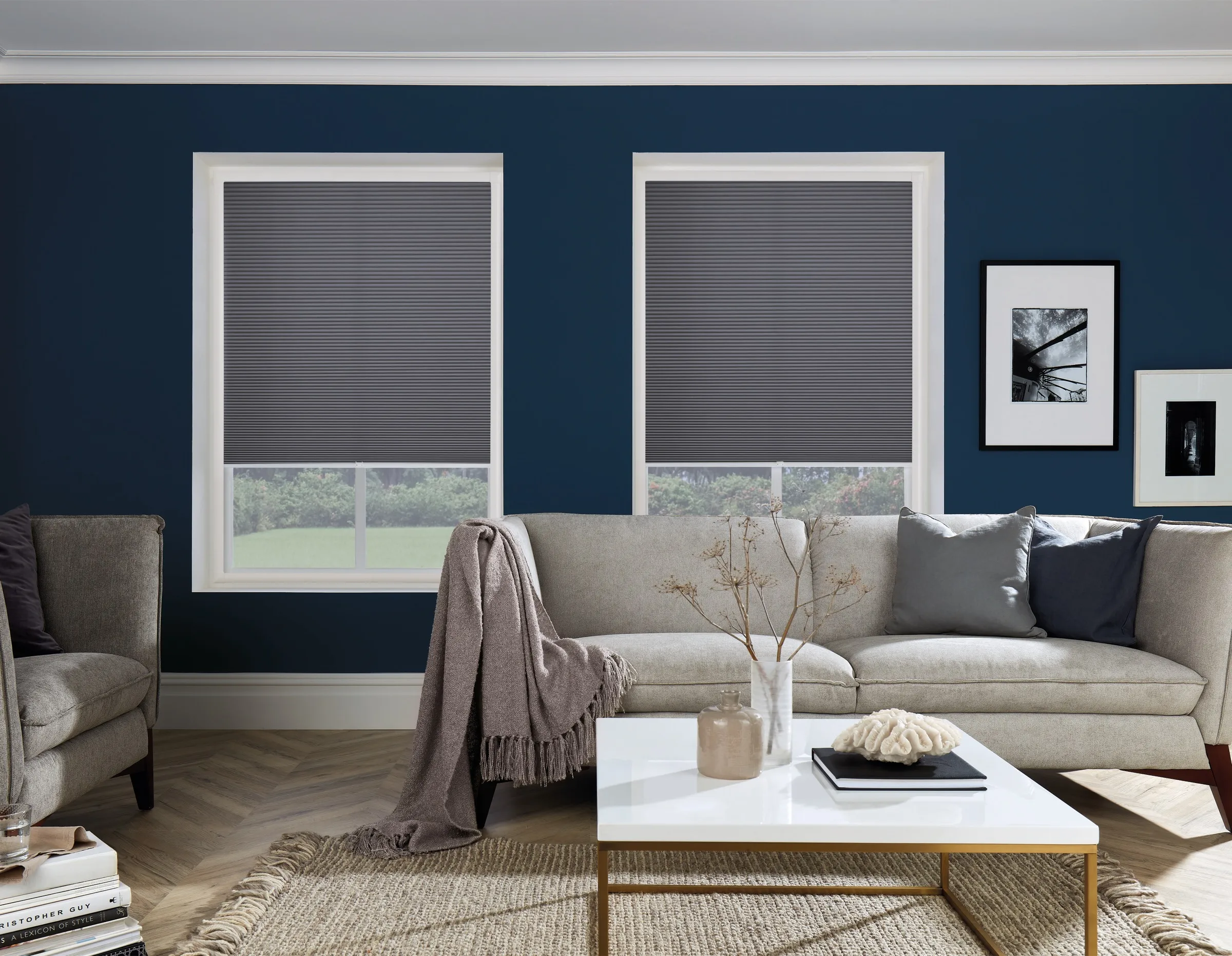
Perfect Fit blinds have become one of the most popular choices for uPVC windows and doors, and for good reason. But they aren’t right for every window, and they cost more than a standard blind. Here’s an honest look at when they’re worth it.
The short answer: for uPVC doors, tilt-and-turn windows, conservatories and children’s rooms, yes. They’re neat, cord-free and move with the window. For a single large window you rarely open, a standard blind is usually better value.
How Perfect Fit blinds work
Each blind sits in a slim aluminium frame that clips onto the beading around a pane of glass. There’s no drilling and no screws, and the frame can be taken off again without leaving any marks.
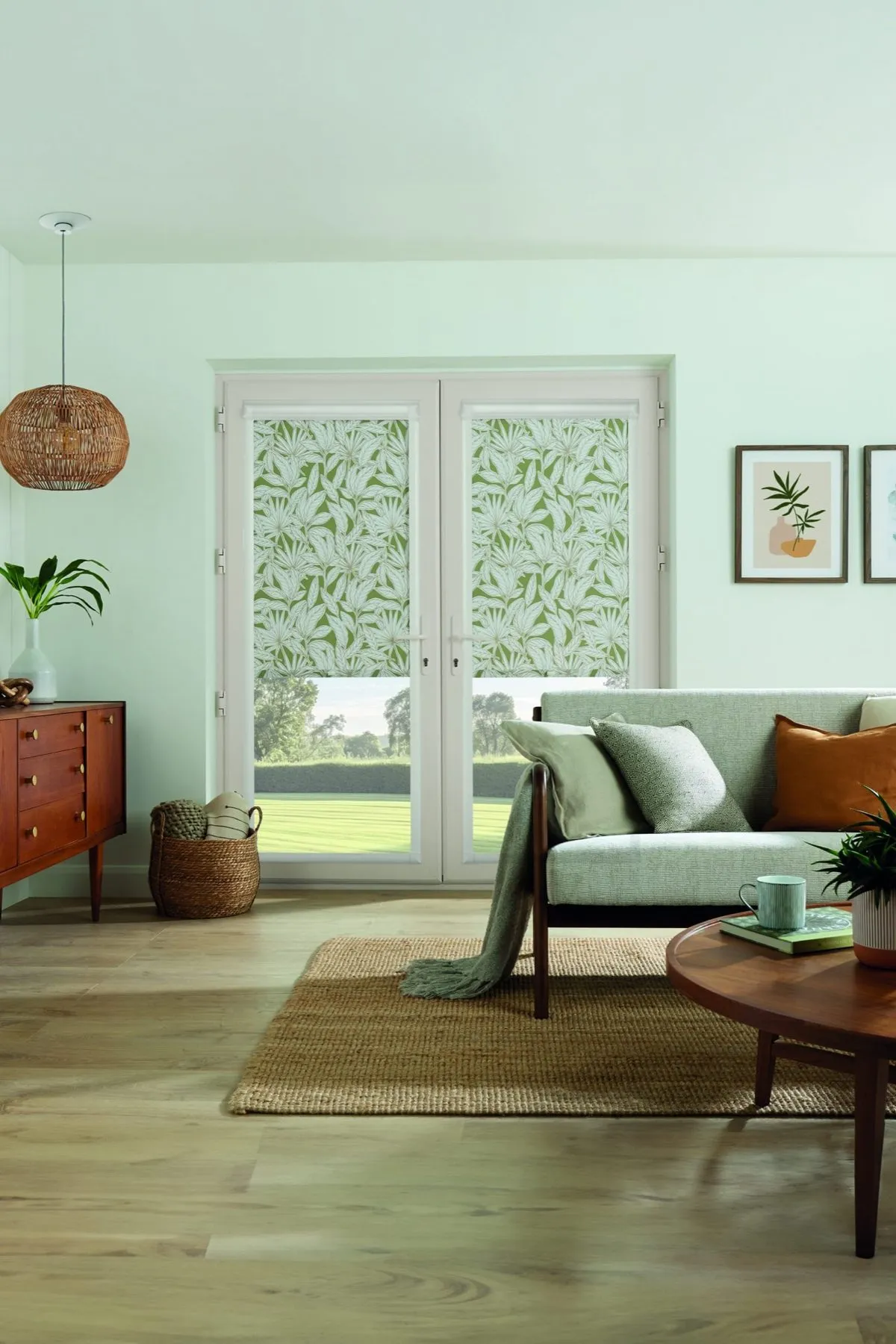
Because the blind is fixed to the window itself, it moves with the window or door when you open it, including tilt-and-turn windows. It sits close to the glass, so it doesn’t flap when a window is open or swing when a door is used.
What we like about them
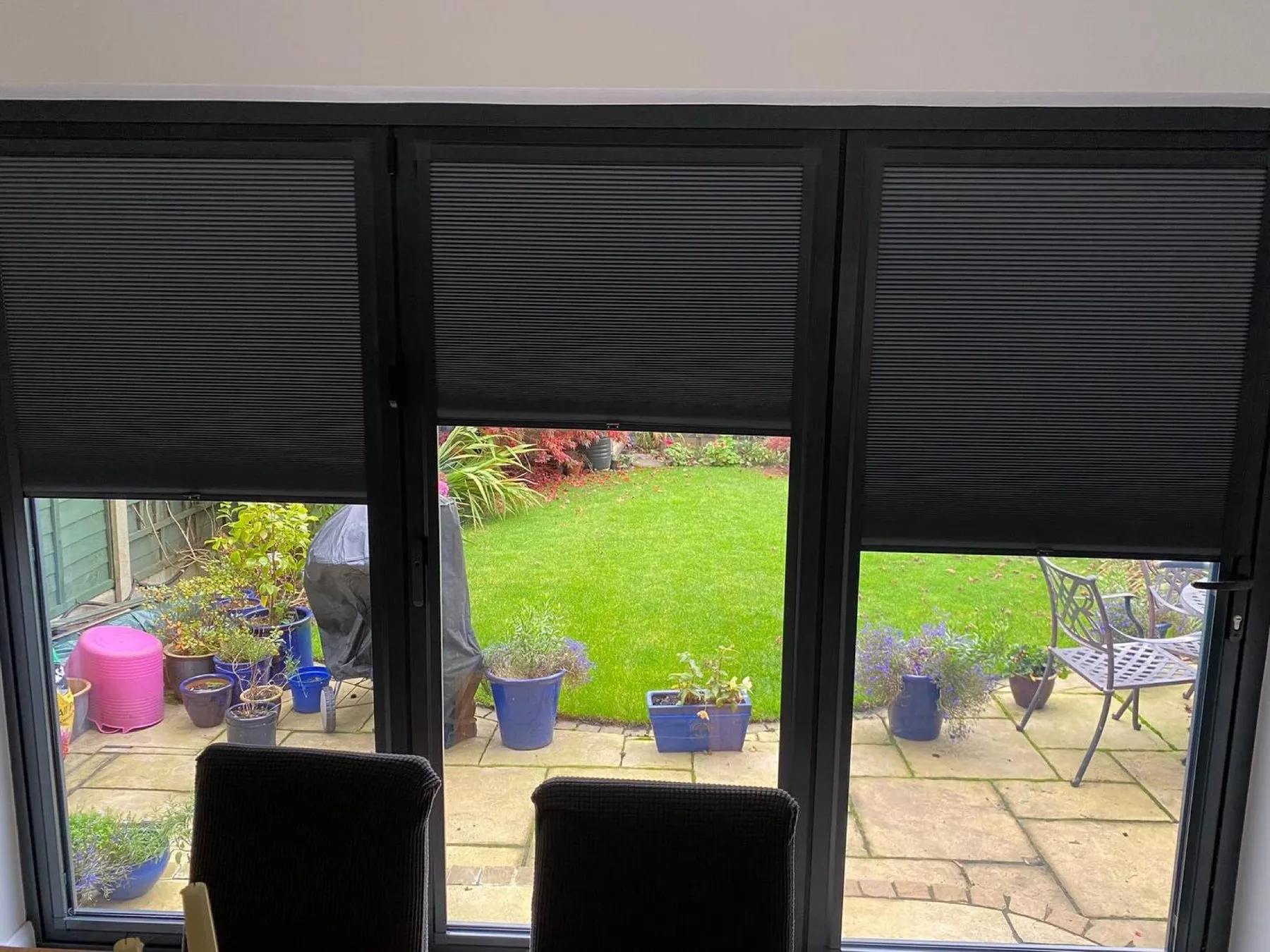
Perfect Fit pleated blinds, measured and fitted by our team.
- No drilling. Nothing goes into your frames or walls.
- They move with the window. Open a door or tilt a window and the blind goes with it.
- No loose cords or chains. A safe choice for children’s rooms.
- A clear window sill. The blind sits on the glass, not over the sill.
- Less light at the edges. Because they sit in a frame close to the glass, there’s less light round the sides than with a standard blind.
The styles
- Pleated: crisp folds in a wide range of colours. A favourite for conservatories and doors.
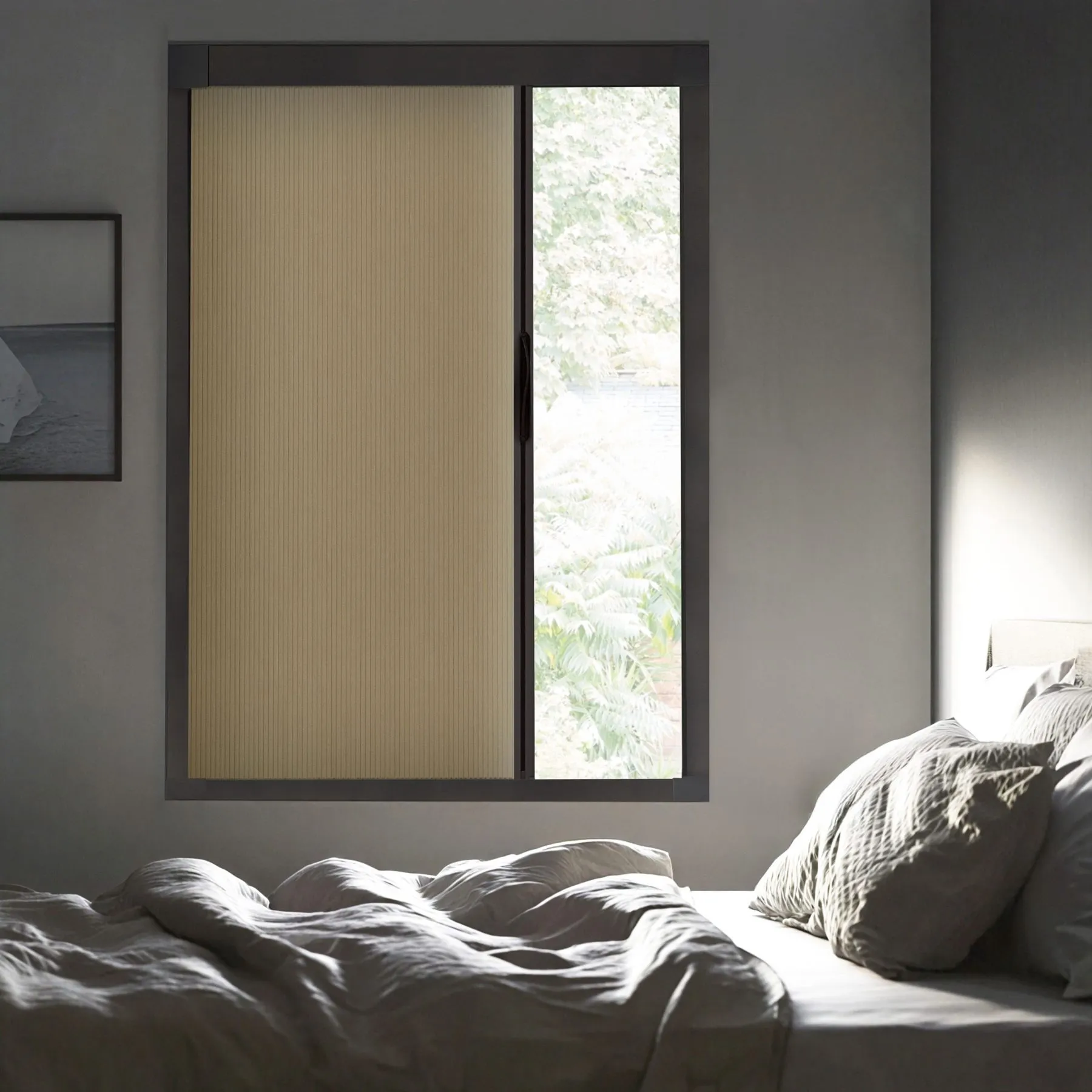
- Honeycomb: a cellular fabric that traps air, so it’s the warmest choice.
- Venetian: tilting slats for precise light control.
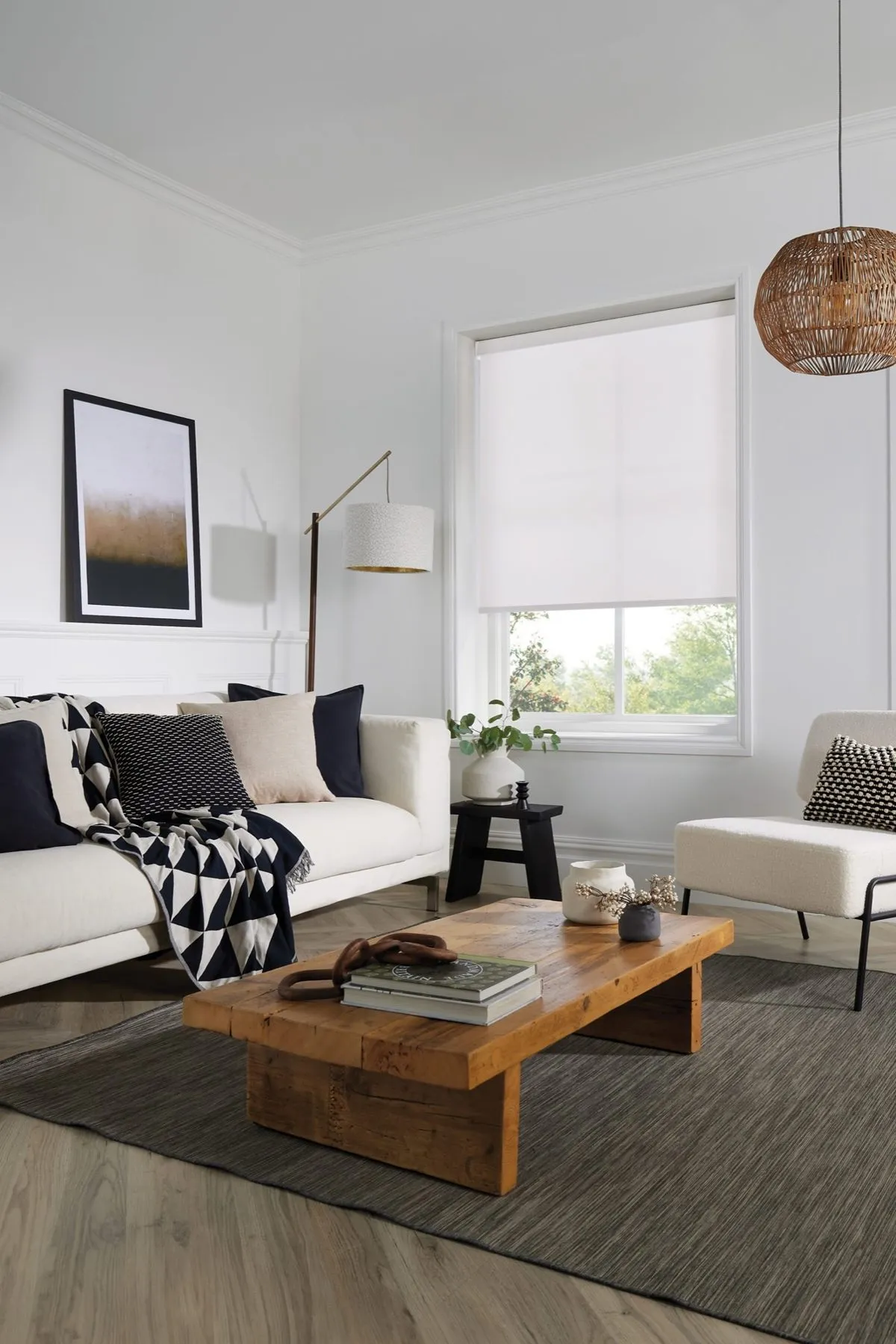
- Roller: a clean, flat look, including blackout.
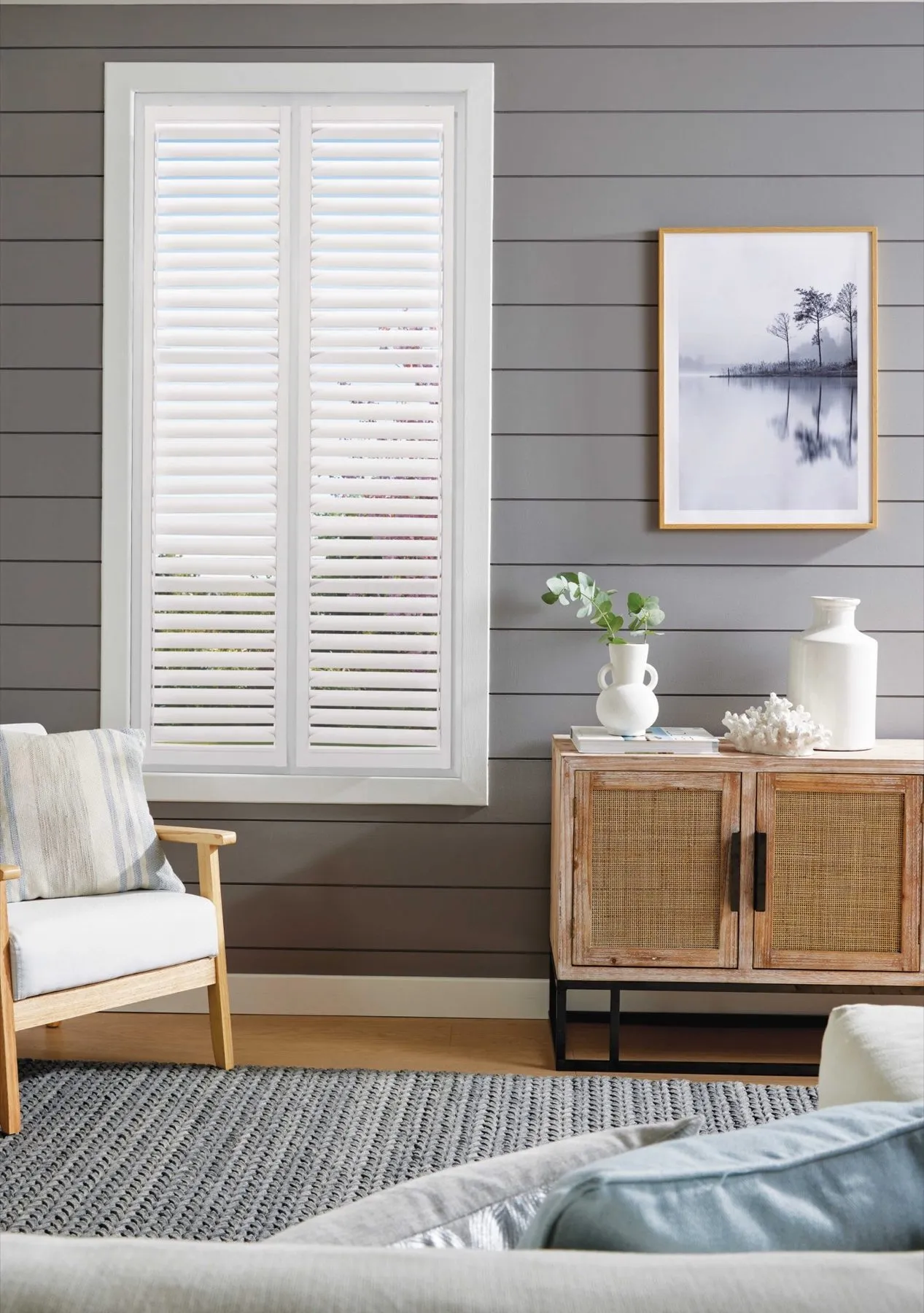
- Shutters: Perfect Fit shutters clip in exactly the same way, for the look of plantation shutters.
Pleated and honeycomb styles can usually be raised from the bottom or lowered from the top, which is great for privacy.
What they cost
Perfect Fit is priced per pane, because each pane gets its own blind and frame. For a 50 × 100 cm pane:
| Style | Price per pane |
|---|---|
| Perfect Fit pleated | £135 |
| Perfect Fit venetian | £160 |
| Perfect Fit shutter | £205 |
Prices include VAT, measuring and fitting. A window with two opening panes needs two blinds, so it’s worth counting your panes before you compare prices with a standard blind that covers the whole window. Our price calculator works out the price per pane.
When they’re not the right choice
- Wooden or aluminium frames. Perfect Fit needs uPVC frames with suitable beading. We check the depth of your beading when we measure.
- Total darkness. A Perfect Fit blackout roller gets very close, but for a nursery or shift work a blind screen is the only way to get a room completely dark.
- Big windows you rarely open. A single roller or venetian blind across the whole window often looks cleaner and costs less than several Perfect Fit blinds.
- If you want the window completely clear. Perfect Fit blinds stay on the glass. Even Perfect Fit shutters sit within each pane, so they can’t fold right back off the window like plantation shutters.
So, are they worth it?
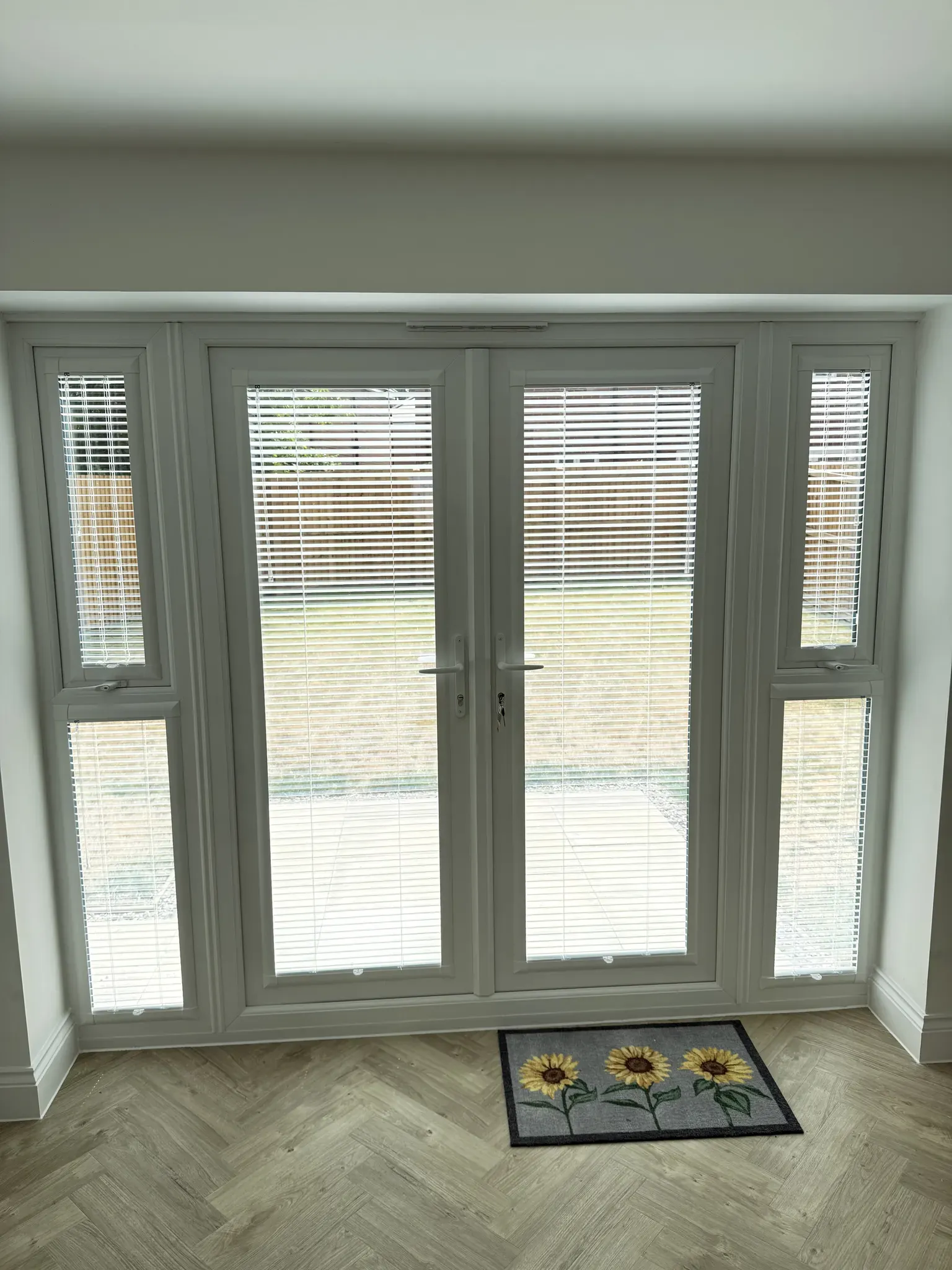
Perfect Fit venetian blinds on French doors and side panels, fitted by our team.
For the right windows, absolutely. On bi-fold and French doors, tilt-and-turn windows and conservatories, ordinary blinds tend to get in the way, and Perfect Fit solves that neatly. In children’s rooms, the lack of cords alone makes them worth considering.
We bring every Perfect Fit style to your free home visit and check your windows while we’re there, so you’ll know straight away whether they’ll work. Book a free home visit.